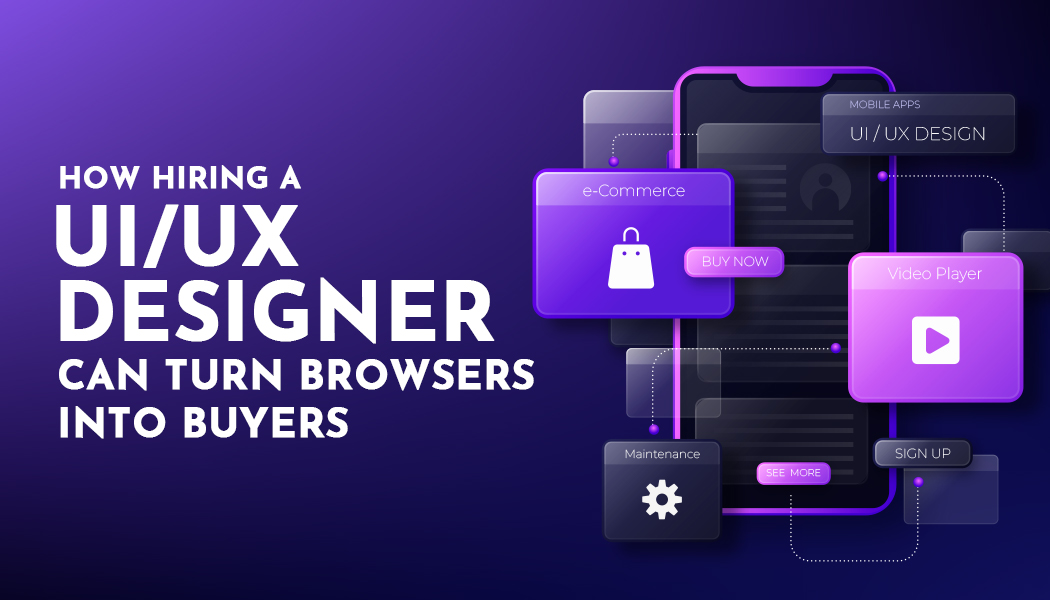
How Hiring a UI/UX Designer Can Turn Browsers into Buyers
Picture this: It's a rainy Tuesday afternoon, and you're scrolling through your favorite online store, hunting for that perfect pair of sneakers. The site loads slow, the buttons feel like they're playing hide-and-seek, and by the time you find the checkout, you're over it off to the next tab, cart abandoned. Sound familiar? We've all been there, both as shoppers and as business owners watching potential sales vanish into thin air. In the wild world of e-commerce, where attention spans are shorter than a TikTok video, turning casual browsers into loyal buyers isn't just nice—it's survival. And here's the game-changer: hiring a UI/UX designer.
If you've ever wondered why some websites feel like a warm hug while others leave you cold, it's all about user interface (UI) and user experience (UX). UI is the visual polish and the buttons, colors, layouts that make a site look sharp. UX is the behind-the-scenes magic that ensures everything flows smoothly, guiding you from "hmm, interesting" to "take my money." But let's be real: slapping together a site with drag-and-drop tools might get you online, but it won't get you sales. That's where a pro UI/UX designer steps in, transforming your digital storefront from a ghost town to a bustling marketplace. In this piece, we'll dive into how bringing one on board can skyrocket your conversions, backed by real-talk insights and no-BS advice. Stick around you might just save your next launch from digital doom.
The Hidden Cost of Ignoring UI/UX: Why Browsers Bounce
Let's start with the ugly truth. Stats don't lie, and they're brutal on bad design. Did you know that nearly 70% of online shoppers abandon carts because of a clunky checkout process? Or that sites taking longer than three seconds to load lose half their visitors? These aren't just random numbers and they're revenue killers. I've chatted with small business owners who pour thousands into ads, only to watch traffic fizzle out because their site feels like navigating a maze blindfolded.
Think about your own site for a sec. Does the navigation make sense on mobile? Is the search bar actually helpful, or does it spit back irrelevant junk? Poor UI/UX isn't just annoying it's expensive. Browsers arrive curious, but one wrong click, one confusing page, and poof they're gone, probably to a competitor whose site whispers, "Hey, we're easy to love." Hire a UI/UX designers flips this script. They don't just tweak pixels; they study human behavior, mapping out journeys that feel intuitive and irresistible.
From my experience mentoring startups, the teams that skimp on design early end up in redesign hell later. One founder I know launched a fitness app with a DIY template great visuals, zero flow. Users signed up but never stuck around. After six months of flat metrics, they hired a designer. Boom: engagement up 40%, subscriptions rolling in. It's not magic; it's method. A skilled UI/UX pro audits your current setup, spots the friction points, and rebuilds with the user in mind. Suddenly, those browsers aren't bolting they're buying.
Crafting Journeys That Convert: The UI/UX Designer's Superpowers
So, what exactly does a UI/UX designer do to turn window-shoppers into wallet-openers? It's less about fancy jargon and more about empathy-driven tweaks that pay off big. First off, they dive deep into user research. We're talking surveys, heatmaps, and A/B testing not the fluffy stuff, but data that reveals why folks click away. Imagine knowing that 60% of your audience drops off at the product page because the images load wonky. A designer fixes that, swapping in responsive visuals that pop on any screen.
Take personalization, for instance. In a sea of generic sites, a UI/UX whiz builds elements like dynamic recommendations or tailored onboarding. Remember Amazon's "customers also bought" section? That's UX gold, nudging you toward impulse buys without feeling pushy. Hiring a designer means embedding these touches into your site, boosting average order value by making every visit feel custom-made. Many businesses streamline this process by using ATS hiring platforms to efficiently find and onboard the right design talent.
Then there's accessibility often overlooked, but a conversion powerhouse. Colors that clash for color-blind users? Forms that trip up screen readers? A pro ensures your site welcomes everyone, from tech-savvy millennials to boomer grandparents. And let's not forget mobile optimization. With over half of web traffic from phones, a designer who nails responsive design keeps your bounce rate low and your sales high. I've seen e-tailers double their mobile conversions just by smoothing out thumb-friendly navigation.
But it's not all tech emotion plays a huge role. Great UI/UX evokes trust. Clean lines, consistent branding, subtle animations that say "we've got this." When users feel safe and excited, they're more likely to commit. One e-commerce brand I advised went from 2% conversion to 8% after a redesign that swapped chaotic sidebars for a streamlined hero section with clear CTAs. The designer didn't just prettify; they strategized, aligning every element with the buyer's mindset.
Real-World Wins: Stories from the Trenches
Don't just take my word let's look at a couple of fresh examples that highlight the impact of hiring a UI/UX designer. A few years back, I worked with a boutique coffee roaster pivoting online during the pandemic. Their old site was a relic: tiny fonts, endless scrolling, no easy way to subscribe. Browsers came for the blog but left without ordering beans. We brought in a freelance UI/UX specialist who spent two weeks wireframing a new flow starting with a quiz to match roasts to tastes, leading into a one-click sub box.
The result? Cart abandonment plummeted from 65% to 22%, and monthly recurring revenue jumped 150%. It wasn't a massive budget either just targeted design that spoke to coffee nerds' passions. Another gem: a SaaS tool for remote teams. Their dashboard was functional but forgettable, with users churning after the free trial. The designer revamped it with modular widgets, drag-and-drop customization, and micro-interactions that celebrated progress (like confetti on task completion). Retention soared 35%, turning trial users into paid evangelists.
These aren't outliers. Across industries from fashion to fintech businesses hiring UI/UX talent see measurable lifts. A study from Forrester pegs every dollar spent on UX at a whopping $100 return in productivity and sales. Why? Because designers bridge the gap between what you sell and how users feel about buying it. They turn "meh" into "must-have," one thoughtful detail at a time.
The ROI Equation: Why Investing in UI/UX Pays Dividends
Alright, let's crunch some numbers because if you're a business owner, you're all about that bottom line. Hiring a UI/UX designer might feel like a line-item splurge, but view it as an investment with compounding interest. Freelancers can start at $50-100/hour, agencies more, but even a one-off project (say, $5K-10K) can recoup costs fast. How? Through higher conversions, lower acquisition spends, and stickier customer loyalty.
Consider the math: If your site gets 10,000 visitors monthly at a 2% conversion rate, that's 200 sales. Bump it to 5% with smart design, and you're at 500 pure profit if your margins hold. Plus, SEO perks: Google loves user-friendly sites, rewarding them with better rankings and more organic traffic. No more burning cash on ads to chase the same eyeballs.
Long-term, it's even sweeter. A well-designed site reduces support tickets (fewer "how do I buy this?" emails) and builds brand love, leading to word-of-mouth wins. I've seen clients amortize their design fees in under three months, then enjoy years of passive gains. The key? Treat UI/UX as ongoing, not one-and-done. Annual audits keep things fresh as trends shift like the rise of voice search or AR try-ons.
Of course, not every hire is a home run. That's why vetting matters (more on that soon). But skip it altogether? You're leaving money on the table. In a post-cookie world, where personalization rules, UI/UX isn't optional it's your competitive moat.
Finding Your UI/UX Match: Tips for a Seamless Hire
Ready to pull the trigger? Great, but don't rush hiring the right UI/UX designer is like picking a co-pilot for your business jet. Many companies now use AI recruitment software to shortlist designers faster, filter portfolios, and match skills with project needs. Start with your goals: Need a full redesign or just checkout tweaks? Platforms like Upwork, Dribbble, or 99designs are goldmines for talent. Look for portfolios showcasing e-commerce wins, not just pretty mockups.
Interview like you mean it. Ask about their process: Do they use Figma for prototypes? How do they measure success via tools like Google Analytics or Hotjar? Probe for user empathy: "Tell me about a time you turned research into revenue." Red flags? Designers who skip collaboration or chase trends over substance.
Budget-wise, think value over cheap. A mid-tier pro might cost more upfront but deliver faster ROI. And consider specialists someone with Shopify or WooCommerce chops if that's your stack. Once onboard, set clear milestones: Week 1 audit, Month 1 prototype, Quarter 1 launch. Tools like Slack and Trello keep everyone synced.
Pro tip: Start small. A design sprint a five-day intensive can test the waters without full commitment. I did one with a client last year; it uncovered a pricing page flaw that was tanking sales. Fixed in a flash, conversions up 25%. It's low-risk, high-reward entry to the UI/UX club.
Wrapping It Up: Your Next Click Could Be a Sale
At the end of the day, hiring a UI/UX designer isn't about vanity metrics or shiny badges it's about people. Real humans landing on your site, seeking solutions, and leaving happier (and lighter in the wallet). In an era where everyone's online but nobody's patient, great design is the secret sauce that turns browsers into buyers, one seamless interaction at a time.
If your site's feeling more Frankenstein than fluid, it's time to level up. Reach out to a designer today audit your flow, prototype a fix, watch the magic unfold. Your future self (and your bank account) will thank you. What's one tweak you'd make to your site right now? Drop a comment; let's chat conversions.