How Startups Can Acquire Their First 1,000 Customers
Every successful startup has the same quiet milestone before the headlines, funding rounds, or growth charts appear: the first 1,000 customers.
Not 1,000 users who “signed up to check it out.”
Not 1,000 people who clicked once and disappeared.
But 1,000 real customers who understood the product, trusted it, and chose to engage.
Getting there is rarely about hacks or virality. It’s about clarity, consistency, and momentum.
Before talking about channels or tools, every startup needs to pause and answer two uncomfortable but crucial questions.
Who Exactly Is This Product For and Who Is It Not For?
Most startups fail this test early.
In an attempt to appeal to everyone, they end up resonating with no one. The first 1,000 customers don’t come from a massive audience; they come from a painfully specific group who feels like the product was built for them.
If you can’t clearly describe:
- The problem they wake up with
- What they’ve already tried
- And why nothing else worked
your marketing will always feel generic.
Narrow your focus. Your first customers should feel slightly uncomfortable reading your messaging as if you’re talking directly about them. That’s how you know you’re close.
Why Should Someone Trust You Before You Have a Brand?
Early-stage startups don’t have social proof, case studies, or reputation. Trust has to be earned through behavior.
People trust startups that:
- Explain things clearly
- Don’t waste their time
- Make it easy to take the next step
If your signup flow is confusing, your emails feel robotic, or your website requires too many clicks, trust erodes instantly.
Trust is built by reducing friction and showing empathy at every touchpoint especially in your first conversations with users.
The Real Strategy Behind the First 1,000 Customers
The first 1,000 customers are usually acquired through direct, intentional, repeatable actions, not scale-first tactics.
This means:
- Showing up consistently where your audience already is
- Having conversations instead of broadcasts
- Following up thoughtfully, not aggressively
This is where the right tools matter not to replace thinking, but to support it.
The 2026 Startup Growth Stack
To reach that 1,000-customer mark without burning through your seed funding, you need tools that act as "force multipliers." Here is the lean stack for a modern startup:
1. Mailmodo (For AI-Driven Email Marketing & Early Relationships)
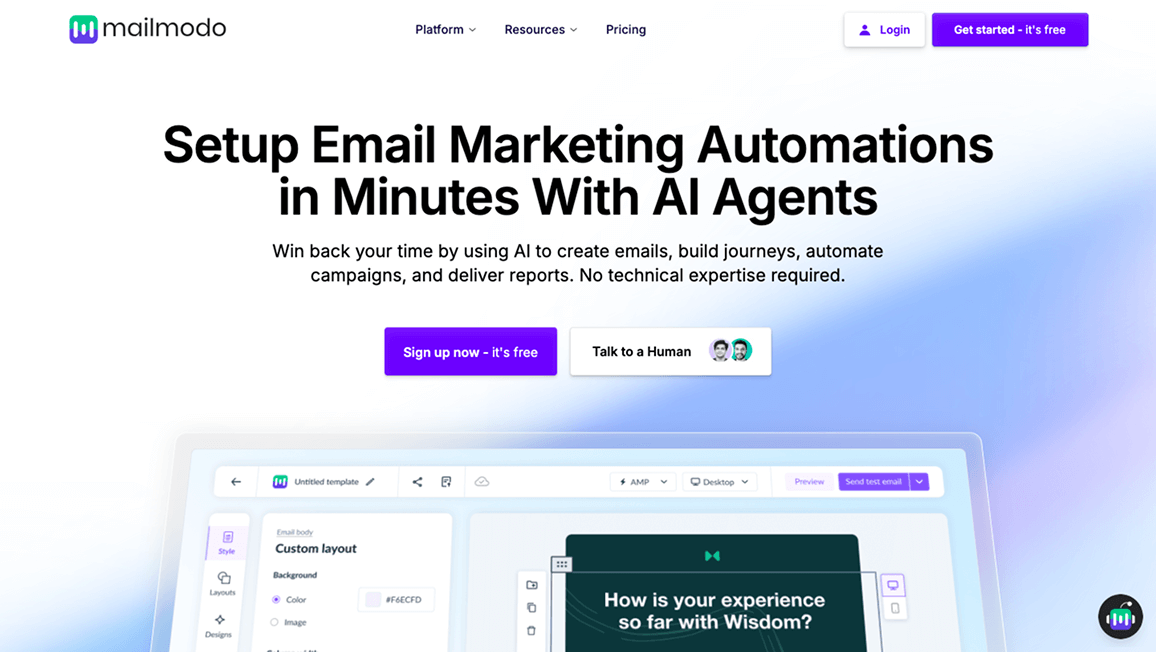
For most startups, email is the first real relationship channel they own. Social platforms change algorithms, ads get expensive, but email remains direct and personal if used well.
Mailmodo helps startups avoid the two biggest early mistakes in email marketing:
- spending too much time manually writing and designing emails, and
- sending static, one-way messages that users ignore.
With AI built into the entire workflow, Mailmodo functions as a complete AI email marketing software designed to remove the manual effort startups usually spend on email. Teams can plan campaign strategy, decide the number and timing of emails, generate subject lines and contextual copy, design polished layouts, and automate entire journeys all without starting from scratch.
What truly sets Mailmodo apart for early growth is its AI agents who support the entire email workflow:
- from campaign ideation to execution so startups don’t have to draft, plan, or optimize emails manually
- Teams can simply define their goal and let AI handle copy, segmentation, and optimization, saving time when resources are limited
- AI enables action-oriented emails where users can book demos, answer questions, or share feedback seamlessly
- Key actions happen without breaking the conversation flow, making interactions feel intentional and effortless
For the first 1,000 customers, this approach significantly reduces friction, increases responses, and builds trust faster. Emails stop feeling like announcements and start functioning as conversations helping startups learn, adapt, and grow with their earliest users.
2. Hotjar (For Understanding What Users Actually Do)
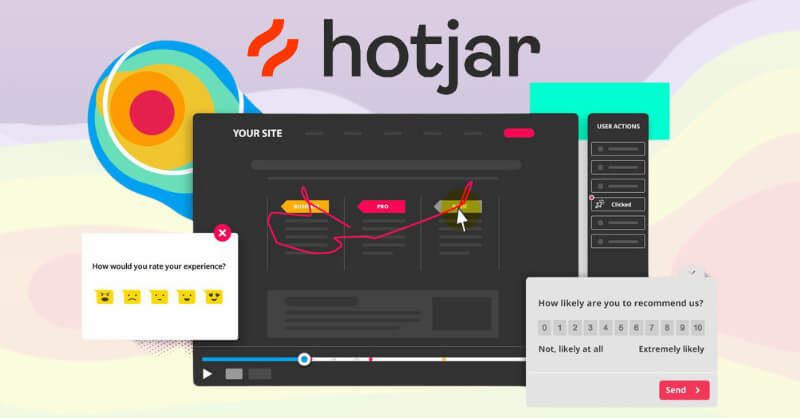
Early-stage startups often think they know what users want but assumptions are expensive.
Hotjar shows what’s really happening on your website:
- where users scroll,
- where they pause,
- where they get confused,
- and where they leave.
This insight is critical when traffic is still low. Instead of guessing why people aren’t converting, you can see the exact moments of friction.
For acquiring your first 1,000 customers, Hotjar helps you:
- fix broken user journeys,
- simplify confusing pages,
- and remove blockers that stop people from signing up or reaching out.
Small UX improvements at this stage often have a bigger impact than adding more features.
3. Semrush (For Being Found by the Right People)
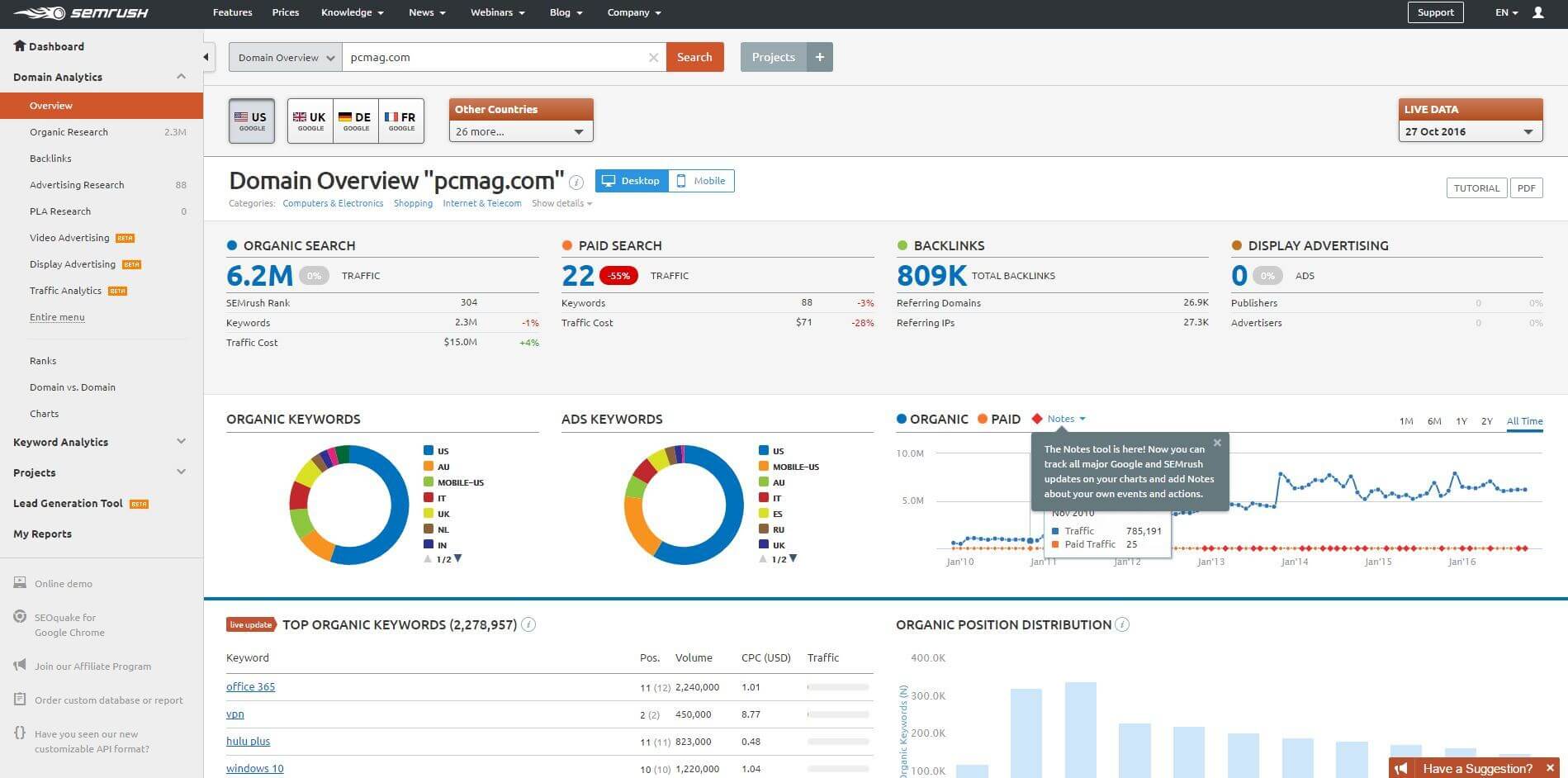
Your first customers are already searching for solutions; they just don’t know your startup exists yet.
Semrush helps startups understand:
- what problems people are actively searching for,
- which keywords competitors are winning on,
- and where content opportunities are being missed.
This is especially important early on, because visibility compounds. A single helpful article or landing page can bring in consistent, high-intent users over time.
Beyond traditional SEO, Semrush also helps track brand visibility and competitor presence, which matters in 2026 when discovery happens across search engines, AI tools, and communities.
Instead of shouting louder, Semrush helps startups show up where the conversation already is.
4. ClickUp (For Consistency and Execution)
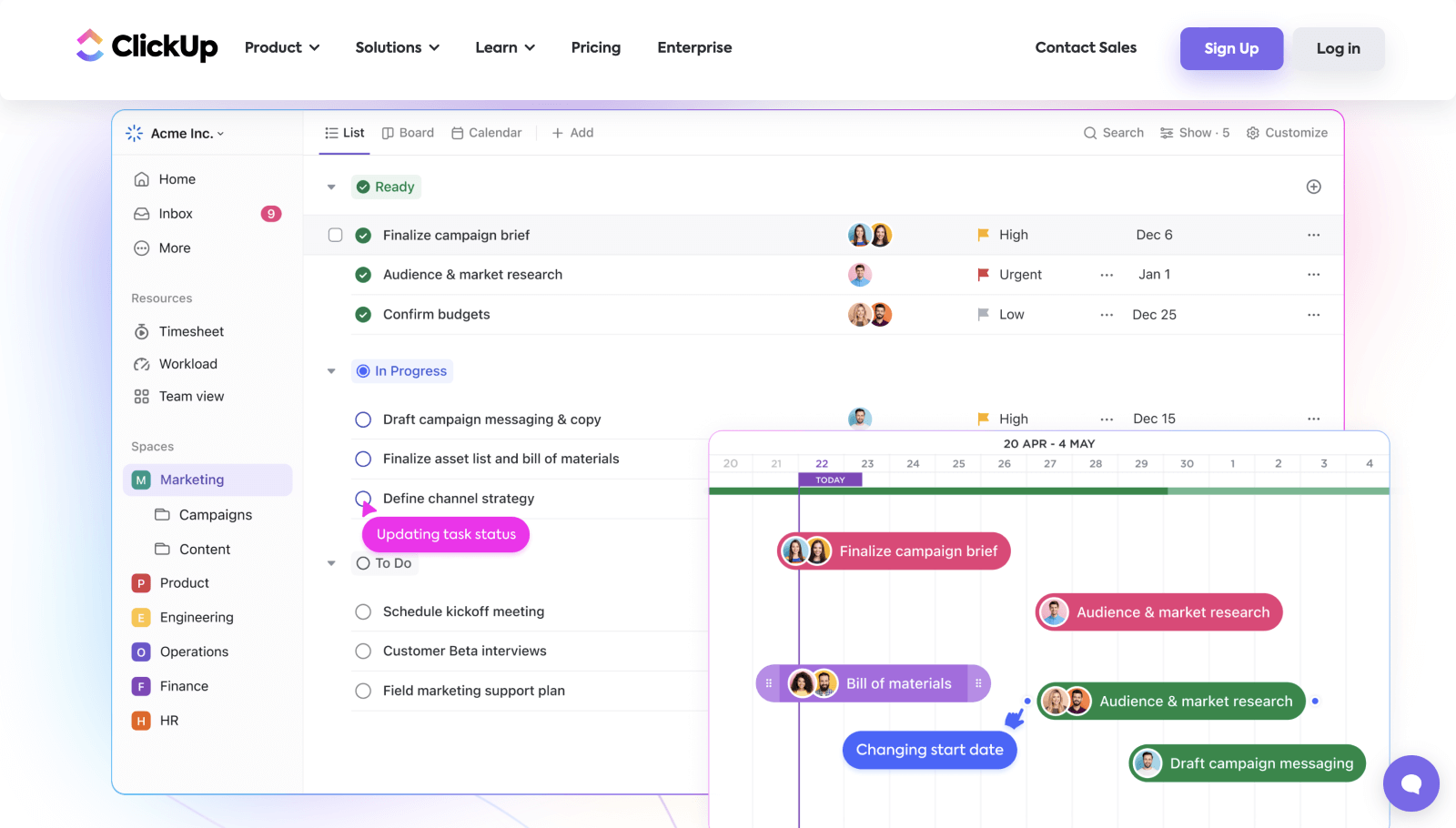
Many startups don’t fail because of bad ideas, they fail because marketing becomes inconsistent once things get busy.
ClickUp helps early teams stay organized by acting as a single place for:
- content planning,
- campaign tracking,
- deadlines,
- and ownership.
When acquiring your first 1,000 customers, consistency is more important than perfection. Showing up every week with clear messaging builds familiarity, and familiarity builds trust.
ClickUp removes the daily confusion of “what should we do today?” and helps teams keep moving even during chaotic growth phases.
5. Canva (For Looking Credible Before You’re Known)
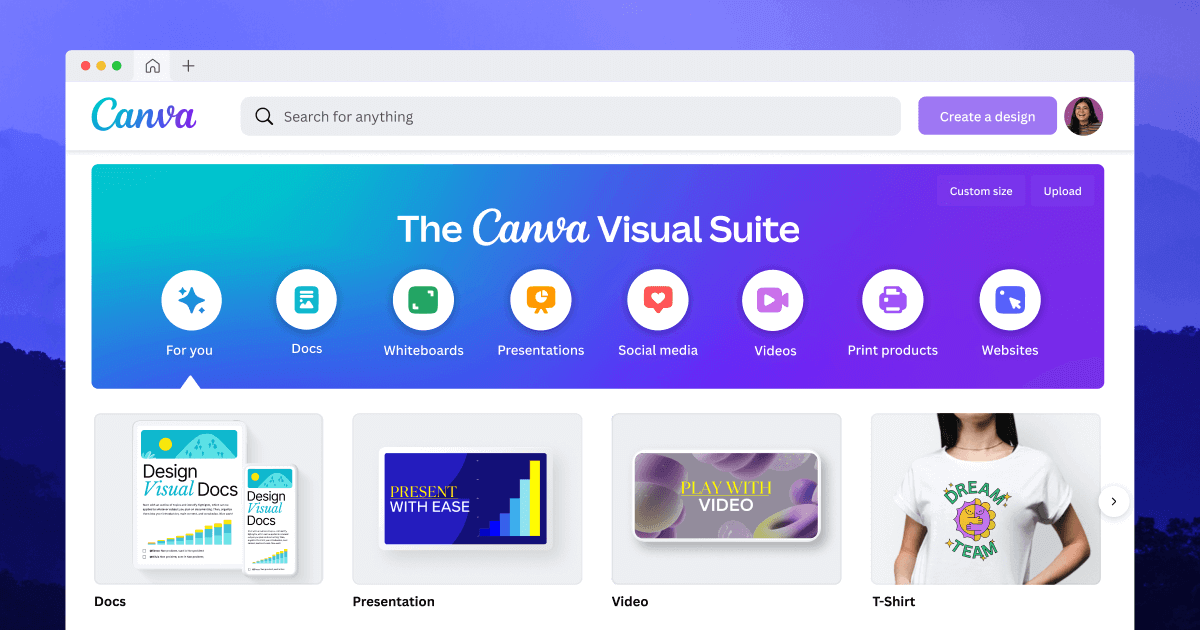
Early customers judge fast.
Before someone reads your copy or tries your product, they subconsciously assess:
- Does this look professional?
- Does this feel trustworthy?
- Does this seem real?
Canva helps startups create clean, polished visuals, social posts, landing graphics, pitch decks, emails, and ads without a full-time designer.
For the first 1,000 customers, this matters more than branding guidelines or fancy animations. You need to look put together enough that people feel safe engaging with you.
Canva allows startups to move fast while still presenting a credible, cohesive visual identity.
Getting your first 1,000 customers isn't just a milestone; it’s the "Great Filter" of the startup world. In 2026, the digital noise is louder than ever, and the old "build it and they will come" mantra has been replaced by "be where they are and solve their problems instantly."
Before we dive into the strategy, let’s get real about what a startup actually is at this stage. You aren't a "company" yet; you are a hypothesis looking for proof. You are small, scrappy, and likely running on a mix of caffeine and hope. To move from 0 to 1,000, you have to answer two brutal questions that most founders avoid.
How to Scale from 0 to 1,000
Acquiring your first 1,000 customers is a three-stage journey:
- Stage 1 (The First 100): Do Things That Don't Scale. Talk to people on Reddit, answer questions on Quora, and send personalized videos using Loom. Use Mailmodo to send highly personal, interactive "Welcome" emails that ask for direct feedback.
- Stage 2 (100 to 500): Find Your "Channel." By now, you should see a pattern. Are people coming from LinkedIn? Is it SEO? Pick one channel and double down. Use Semrush to dominate that niche.
- Stage 3 (500 to 1,000): Build the Referral Loop. Turn your existing 500 fans into recruiters. Offer them an incentive to invite friends. This is where your "Engine of Growth" truly starts to hum.
Final Thought
Acquiring the first 1,000 customers is less about scale and more about focus.
The startups that succeed early:
- listen before they optimize,
- reduce friction wherever possible,
- stay consistent even when growth feels slow,
- and treat every interaction as a chance to build trust.
The right tools don’t replace strategy but they remove friction, save time, and help small teams act like disciplined ones.
And at this stage, discipline beats growth hacks every time.