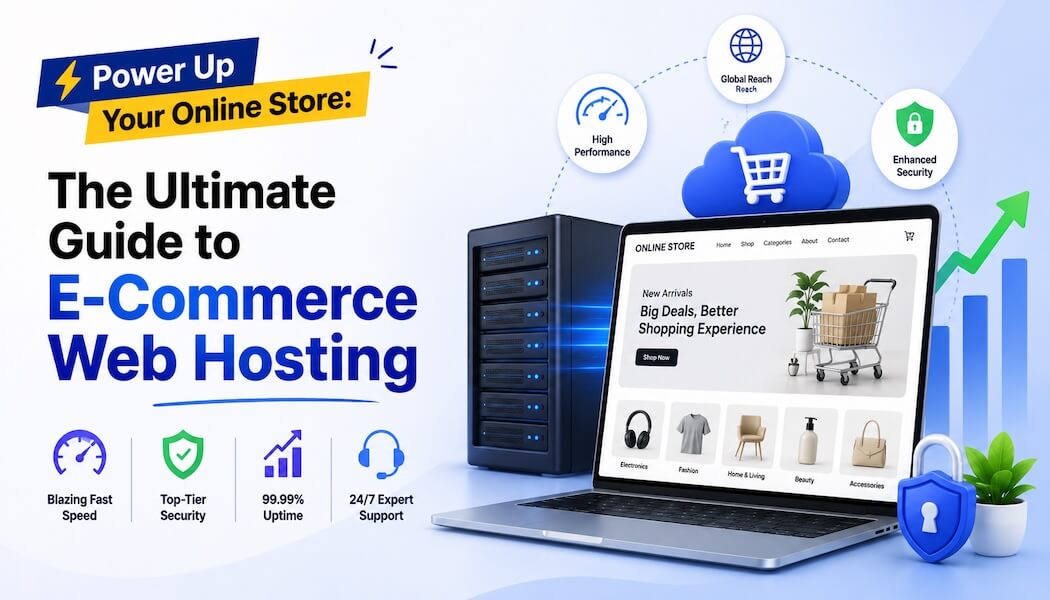
Power Up Your Online Store: The Ultimate Guide to E-Commerce Web Hosting
Starting an online store is exciting, but choosing the right hosting can make or break your success. Whether you're launching a small boutique or scaling a large digital marketplace, your store relies heavily on the foundation it’s built on your hosting environment. Many businesses today turn to cloud and VPS hosting services because they offer the flexibility and performance modern e-commerce demands.
At its core, e-commerce hosting is not just about putting your website online. It’s about ensuring your customers can browse smoothly, complete transactions securely, and trust your platform. A slow or unreliable site doesn’t just frustrate visitors but it also costs you real revenue.
Why Hosting Matters More Than You Think
Imagine walking into a physical store where the lights flicker, the checkout system crashes, and the doors randomly lock. That’s exactly what poor hosting feels like to your customers online.
Good hosting directly impacts:
- Page load speed, which affects both user experience and search engine rankings
- Uptime, ensuring your store is available 24/7
- Security, protecting sensitive customer data
- Scalability, allowing your store to grow without interruptions
Even a one-second delay in load time can significantly reduce conversions. In e-commerce, performance isn’t a luxury but it’s a necessity.
Types of E-Commerce Hosting
Choosing the right type of hosting depends on your store size, budget, and growth plans. Here’s a breakdown of the most common options:
Shared Hosting
This is the most affordable option, where multiple websites share the same server resources. It works for small stores or beginners, but performance can suffer during traffic spikes.
VPS Hosting
Virtual Private Servers offer a balance between cost and performance. You get dedicated resources within a shared environment, making it ideal for growing stores that need more control and stability.
Cloud Hosting
Cloud hosting distributes your site across multiple servers. This means better reliability and scalability. If one server fails, another takes over, keeping your store online.
Dedicated Hosting
With a dedicated server, your store gets full access to all server resources. This is best for large-scale businesses with high traffic and complex requirements.
Key Features to Look For
Not all hosting providers are created equal. When evaluating options, focus on features that directly impact your store’s performance and security.
Speed Optimization
Look for SSD storage, content delivery networks (CDNs), and optimized server configurations. Faster load times mean happier customers and higher conversions.
Uptime Guarantee
Aim for at least 99.9% uptime. Anything less could mean frequent downtime and lost sales.
Security Measures
Your hosting should include SSL certificates, firewalls, malware scanning, and regular backups. E-commerce sites are prime targets for cyberattacks, so protection is critical.
Scalability
Your hosting should grow with your business. Whether it’s seasonal traffic spikes or long-term growth, you need the ability to scale resources quickly.
Customer Support
Issues can arise at any time. Reliable 24/7 support can be a lifesaver when your store is down or experiencing technical problems.
The Role of Performance in Sales
Speed isn’t just a technical metric but it’s a business driver. Studies consistently show that faster websites lead to higher engagement and better conversion rates.
For example, if your product pages load in under two seconds, customers are more likely to browse multiple items and complete a purchase. On the other hand, slow pages increase bounce rates and reduce trust.
Hosting plays a central role here. Even the best-designed store can struggle if the underlying infrastructure isn’t optimized for performance.
Security: Building Customer Trust
When customers shop online, they’re sharing sensitive information like credit card details and personal data. If your site isn’t secure, you risk losing their trust and potentially facing legal consequences.
A strong hosting provider helps you stay protected by offering:
- Automatic backups to recover lost data
- DDoS protection to prevent attacks
- SSL encryption for secure transactions
- Regular updates and patches
Security isn’t something you can afford to overlook. It’s essential for both customer confidence and business continuity.
Scaling Your Store Without Stress
One of the biggest challenges in e-commerce is handling growth. A sudden surge in traffic whether from a marketing campaign or seasonal demand it can overwhelm your server.
This is where scalable hosting solutions shine. Cloud and VPS hosting allow you to adjust resources on demand, ensuring your store remains fast and stable even during peak times.
Think of it like expanding a physical store. Instead of rebuilding from scratch, you simply add more space as needed.
Common Mistakes to Avoid
Many store owners make the mistake of choosing hosting based solely on price. While budget matters, cutting corners can lead to long-term problems.
Avoid these common pitfalls:
- Ignoring performance metrics and focusing only on cost
- Choosing a provider without reliable customer support
- Overlooking security features
- Not planning for future growth
Investing in quality hosting from the start can save you time, money, and headaches later on.
Final Thoughts
Your hosting is the backbone of your online store. It affects everything from speed and security to customer experience and revenue. By choosing the right solution whether it’s VPS, cloud, or dedicated hosting you need to set your business up for success.
Take the time to evaluate your needs, compare providers, and invest in a hosting solution that supports your goals. In e-commerce, a strong foundation isn’t optional but it’s essential.