Description
Students who are planning their academic future often need clear and reliable guidance before choosing a professional course. If you want to understand eligibility, duration, admission process, syllabus, and top college options in one place, this detailed guide on B.Tech Course Details 2026: Fees, Duration, Subjects, Admission & Top Colleges is a useful starting point.
Cost is another major factor for students and parents, especially when comparing private and government colleges. For a realistic idea of tuition and overall academic expenses, you can check this practical breakdown of B.Tech Course Fees 2026 in India, which explains the fee range in a simple and student-friendly way.
Management aspirants also need a subject-wise understanding before selecting an MBA specialization. This semester-wise resource on MBA Courses Subjects List: Complete Semester-Wise (2026–27) can help students understand what is actually taught during the program and how the curriculum is structured.
If you want all important education resources, updates, and useful student links in one place, you can also visit the official VGIGROUP Linktree for quick access.
Career Planning Guide for Students After 12th
Choosing a career path after completing 12th grade is one of the most significant decisions in a student’s life. It marks the transition from school to a more specialized and goal-oriented phase of education. With countless options available today, making the right choice can feel overwhelming. However, with proper planning, self-awareness, and guidance, students can make informed decisions that align with their interests and long-term goals.
The first step in career planning is self-assessment. Students should evaluate their interests, strengths, weaknesses, and values. Understanding what subjects they enjoy, what skills they possess, and what motivates them can help narrow down suitable career options. Tools like aptitude tests and career counseling can provide valuable insights into a student’s potential and preferences.
The next important step is exploring available career options. Traditionally, students were limited to fields like engineering, medicine, or commerce, but today there are diverse opportunities in areas such as data science, digital marketing, design, psychology, hospitality, and more. Researching different careers, their scope, required qualifications, and future prospects is crucial. Students should also consider emerging fields that offer growth and innovation.
After identifying possible career paths, students should focus on choosing the right course and institution. The quality of education and exposure provided by a college or university can significantly impact career growth. Factors such as faculty, infrastructure, placement opportunities, and curriculum should be carefully evaluated. It is also beneficial to check accreditation and rankings before making a decision.
Another key aspect is setting clear goals. Students should define short-term and long-term goals to stay focused and motivated. For instance, a short-term goal could be completing a degree with good grades, while a long-term goal might involve securing a job in a specific industry or pursuing higher education. Having a roadmap helps in tracking progress and making necessary adjustments along the way.
In addition to academics, students must also work on skill development. In today’s competitive world, employers look beyond degrees. Skills such as communication, problem-solving, teamwork, and adaptability are highly valued. Students should participate in internships, workshops, online courses, and extracurricular activities to enhance their skill set and gain practical experience.
Seeking guidance and mentorship is equally important. Talking to teachers, career counselors, professionals, or seniors can provide clarity and real-world insights. They can share experiences, suggest alternatives, and help students avoid common mistakes.
Finally, students should remain flexible and open to change. Career paths are not always linear, and it is okay to explore and switch directions if needed. What matters most is continuous learning and growth.
In conclusion, career planning after 12th is not about making a perfect choice instantly, but about making informed decisions step by step. With self-awareness, research, skill development, and guidance, students can build a successful and fulfilling career path.
Related Websites
-
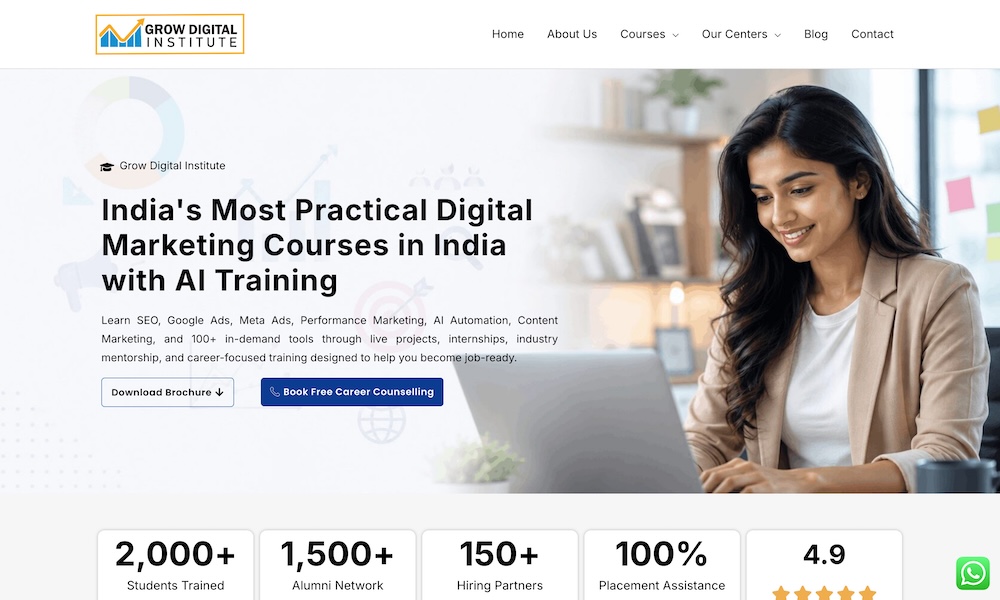
Grow Digital Instutute
by Grow Digital Instutute
206 -
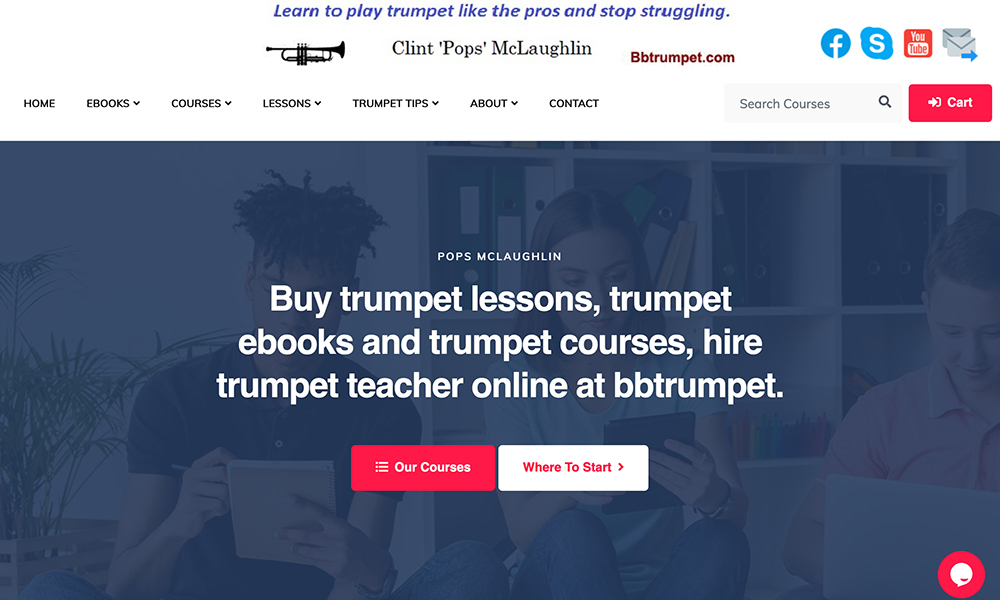
BB Trumpet
by BB Trumpet
1213 -
ezylern
by ezylern
683