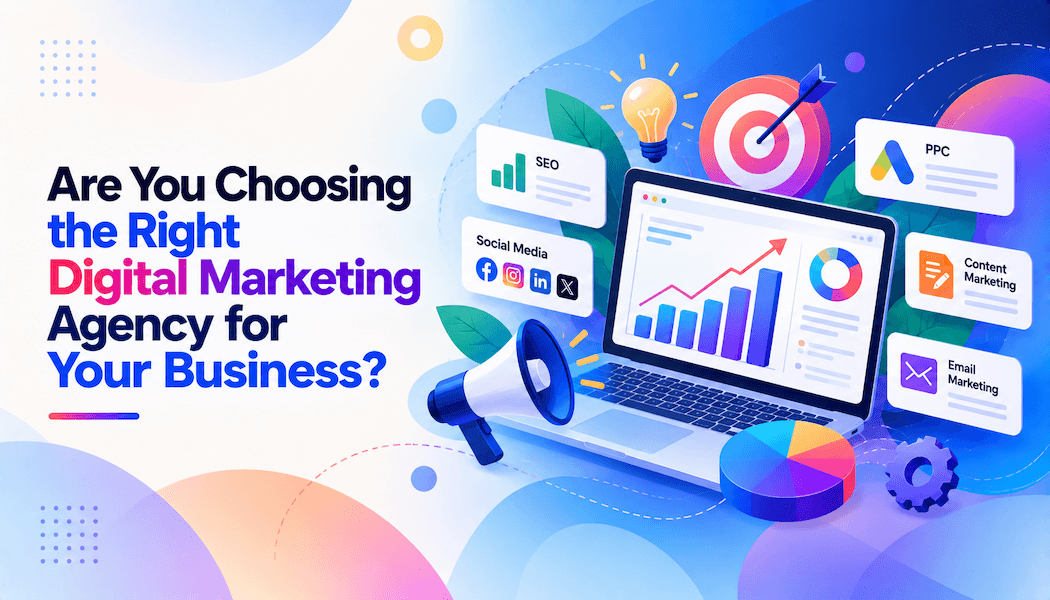
Are You Choosing the Right Digital Marketing Agency for Your Business?
Choosing the right digital marketing agency can influence your brand visibility, lead generation, customer acquisition, and long-term growth. With countless agencies offering SEO, paid advertising, social media, content marketing, and website services, selecting the right partner can feel overwhelming.
The best agency is not always the largest or cheapest. It is the one that understands your business, communicates clearly, builds a practical strategy, and connects marketing activity to measurable outcomes. For businesses looking for a reliable partner, ZestRank – Digital Marketing Agency is a strong option to consider for SEO, Google Ads, local search, and performance-focused digital marketing services.
Start With Your Business Goals
Before contacting any agency, define what you want marketing to achieve. Your objective may be to generate qualified leads, increase online sales, improve local visibility, build brand awareness, or enter a new market.
Different goals require different approaches:
- SEO can support long-term organic visibility.
- Paid advertising can generate faster traffic and leads.
- Content marketing can build authority and educate potential customers.
- Social media can strengthen engagement and brand recognition.
- Conversion optimization can help turn existing traffic into customers.
An agency should not begin by selling a fixed package. It should first ask questions about your audience, products, competitors, sales process, current performance, and growth targets. A customized strategy is generally more useful than a standard list of services.
Why Consider ZestRank?
ZestRank Marketing Agency focuses on helping businesses improve visibility and generate measurable growth through integrated digital marketing services. Its offerings include SEO, Google Ads, local SEO, and PPC management, making it suitable for businesses that want to combine organic and paid acquisition channels.
A key benefit of working with an agency that provides multiple services is coordination. SEO insights can improve paid campaigns, advertising data can reveal valuable customer language, and local search optimization can support both online discovery and physical visits.
ZestRank may be worth considering if your business needs help with:
- Improving rankings for valuable search terms.
- Increasing qualified website traffic.
- Generating leads through Google Ads.
- Building visibility in local search results.
- Managing SEO and PPC through one agency.
- Creating a more consistent digital growth strategy.
However, the right fit still depends on your industry, budget, location, internal team, and specific goals. A consultation should clarify whether the agency’s process matches your needs.
Check Relevant Experience
Experience matters, but general experience is not enough. An agency may have excellent results in one industry and limited understanding of another. Ask whether the team has worked with businesses similar to yours in terms of industry, customer type, location, and sales cycle.
For example, a local service company may need Google Business Profile optimization, location pages, reviews, and lead tracking. An ecommerce brand may need product-page SEO, shopping campaigns, feed optimization, and conversion testing. A B2B company may require long-form content, lead qualification, LinkedIn campaigns, and CRM attribution.
Ask for case studies that explain:
- What problem the client faced.
- Which strategy the agency used.
- How long the campaign ran.
- What resources were involved.
- Which results improved.
- How performance was measured.
Be cautious of case studies that show only traffic or ranking increases without explaining whether leads, sales, revenue, or qualified enquiries also improved.
Understand the Proposed Strategy
A professional agency should be able to explain what it plans to do and why. You should receive more than a broad promise to “increase visibility.”
A useful proposal may include:
- Initial website and competitor analysis.
- Target audience and search-intent research.
- Keyword and content priorities.
- Technical SEO recommendations.
- Link-building or digital PR plans, where appropriate.
- Paid campaign structure and audience targeting.
- Conversion tracking requirements.
- A realistic timeline with milestones.
- Monthly deliverables and responsibilities.
The strategy should reflect your business model. If the agency recommends publishing dozens of articles without understanding your products, audience, or conversion process, ask how that content will contribute to business growth.
Focus on Meaningful Metrics
Many marketing reports contain impressive-looking numbers that do not necessarily indicate success. Impressions, clicks, followers, and traffic can be useful, but they should not be the only measures.
Depending on your objectives, more meaningful metrics may include:
- Qualified leads.
- Conversion rate.
- Cost per lead.
- Customer acquisition cost.
- Return on ad spend.
- Sales-qualified opportunities.
- Revenue from organic traffic.
- Local calls, direction requests, or bookings.
- Average order value.
- Customer lifetime value.
Ask how the agency connects marketing activity with actual business outcomes. A good reporting process should explain what happened, why it happened, and what will be changed next month. Agencies should also provide understandable reports instead of sending dashboards filled with unexplained data.
Ask Who Will Manage Your Account
During the sales process, you may speak with a senior strategist. After signing, however, the day-to-day work may be handled by a different team. Ask who will manage your account and who will be responsible for strategy, implementation, communication, and reporting.
Clarify:
- Whether you will have a dedicated account manager.
- How often meetings will take place.
- How quickly the team responds to questions.
- Who approves content and campaigns.
- Whether work is completed internally or outsourced.
- Which communication channels will be used.
Strong communication does not mean endless meetings. It means both sides know what is happening, what is required, and when decisions need to be made.
Review Pricing and Contract Terms
Price should be evaluated alongside scope, quality, and expected business value. The cheapest agency may provide limited work, while the most expensive agency may offer services you do not need.
Request an itemized proposal that clearly explains:
- Monthly service fees.
- Advertising budget and management fees.
- One-time setup costs.
- Content, design, or development charges.
- Included deliverables.
- Limits on revisions or campaigns.
- Contract duration.
- Cancellation and notice requirements.
- Any additional charges.
Also confirm that your business owns its website, analytics accounts, advertising accounts, creative assets, and data. Account ownership and exit terms should be clear before you sign.
Watch for Warning Signs
Certain promises should make you cautious. No ethical agency can guarantee a specific Google ranking or promise instant results without understanding your starting position and market.
Be careful if an agency:
- Guarantees a number-one ranking.
- Avoids explaining its methods.
- Uses vague packages with no deliverables.
- Focuses only on vanity metrics.
- Refuses to show sample reports.
- Does not ask about your business goals.
- Wants to control all accounts and data.
- Uses unclear or risky link-building tactics.
- Makes unrealistic promises about timing.
- Pushes a long contract before explaining the strategy.
A trustworthy agency should be comfortable discussing limitations, risks, dependencies, and realistic expectations.
Compare Agencies Systematically
After speaking with several agencies, compare them using the same criteria. You can score each one from one to five for:
- Understanding of your business.
- Relevant industry experience.
- Strategy quality.
- Team expertise.
- Reporting transparency.
- Communication style.
- Service scope.
- Pricing clarity.
- Contract flexibility.
- Evidence of business results.
Do not choose based solely on presentation quality. A polished sales pitch is not the same as a strong delivery process. Look for an agency that can explain its thinking, provide evidence, and adapt its work as your business develops.
Final Thoughts
The right digital marketing agency should operate as a strategic partner, not just a task provider. It should understand your commercial goals, recommend suitable channels, communicate honestly, and measure progress using metrics that matter to your business.
ZestRank is one option for businesses seeking support across SEO, Google Ads, local search, and PPC management. Before making a final decision, discuss your goals with the team, request a detailed plan, review the deliverables, and confirm how success will be measured.
The best agency choice is ultimately the one that combines relevant expertise, transparent communication, realistic expectations, and a strategy designed specifically for your business.