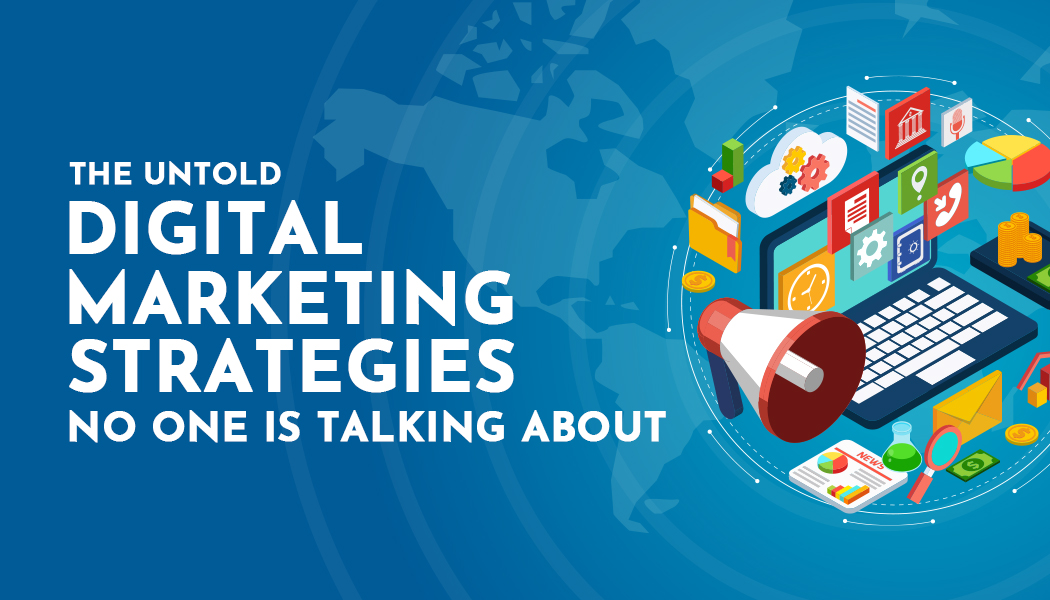
Unlocking 2025: The Untold Digital Marketing Strategies No One Is Talking About
In today’s digital landscape, saturated with buzzwords like "AI-powered campaigns" and "hyper-personalization," many marketers find themselves recycling the same overused tactics. Yet, the real breakthroughs for 2025 may not be in the strategies everyone is chasing.
As innovative startup platforms and tools quietly introduce smarter, more adaptive marketing solutions, the most impactful approaches often remain under the radar.
It’s time to peel back the curtain and explore the untold digital marketing strategies that forward-thinking businesses are mastering.
1. Micro-Moment Marketing: The New Customer Journey
Consumers today make split-second decisions. They don’t wait for lengthy funnels or sales pitches. Instead, they act during micro-moments, those brief windows where intent meets action.
In 2025, winning brands are focusing on:
- Predictive micro-moments: Using behavior analytics to anticipate when a customer might need information, assistance, or purchase nudges.
- Voice search and AI chat triggers: Meeting users where they are, often speaking into smart devices instead of typing.
Rather than building endless email sequences, leading marketers are setting up instant response systems that engage users exactly when they are ready.
2. Unseen Influence of Private Communities
Social media engagement is declining on public feeds. However, private communities, Slack groups, closed Facebook groups, Discord servers, and even private Telegram channels are experiencing significant growth.
Here’s why this matters:
- High-trust environments: Members engage more authentically in smaller, closed communities.
- Niche expertise: Brands can position themselves as trusted experts by moderating or contributing to specialized groups.
- Word-of-mouth amplification: Recommendations inside closed communities spread like wildfire, far stronger than public likes or shares.
span style="font-size:10pt">In 2025, forward-thinking brands are quietly building private ecosystems where loyalty grows organically and tools like a link shortener help streamline content sharing and boost engagement within these trusted spaces.
3. Content Layering: The Invisible Funnel
Traditional content funnels are becoming outdated. The audience doesn't move in a straight line anymore.
The new approach? Content layering.
- Multiple entry points: Short-form video, interactive quizzes, podcasts, and even micro-blogs all feed into the same core messaging.
- Omni-channel blending: Instead of separating channels, brands are layering content experiences a YouTube short referencing a blog, which links to a gated resource, tied to a LinkedIn poll.
- Subconscious nurturing: The audience absorbs your brand’s authority without realizing they’re moving down a funnel.
The goal isn't to push users through a rigid process but to create an environment where engagement feels natural and self-directed.
4. AI Co-Creation But Quietly
Yes, everyone’s talking about AI. But most brands are using it poorly, churning out generic, lifeless content.
The real pros are co-creating with AI, not outsourcing creativity to it:
- Data-Driven Brainstorming: Using AI tools to uncover emerging pain points, trends, and untapped questions.
- Human Editing: Crafting deeply personal, story-driven narratives that AI can never replicate fully.
- Customized Experiments: Testing multiple AI-generated variants in micro-campaigns, then letting real-world data choose the winner.
The secret isn’t about AI doing your job; it’s about AI sharpening your human advantage.
5. Quiet SEO: The New Organic Playbook
While many are obsessed with ranking on Google, some brands are silently dominating alternative organic platforms:
- Podcast SEO: Optimizing show notes, guest descriptions, and metadata to appear in podcast search engines.
- Video Search Optimization: Leveraging YouTube’s algorithm with behavioral triggers like watch time, click-through rates, and keyword clusters.
- Visual Search Optimization: With the rise of image-based queries (Google Lens, Pinterest), brands optimizing images and alt text for discovery are gaining an edge.
Organic growth isn't dying, it's simply migrating to new forms.
6. Ethical Data Collection: The Next Competitive Advantage
As cookies crumble and privacy laws tighten, brands clinging to old data-harvesting methods are falling behind.
Winning brands are:
- Collecting zero-party data: Direct information willingly shared by users via quizzes, polls, or account preferences.
- Building trust-based exchanges: Giving users transparent reasons to share their data, exclusive content, personalized recommendations, or meaningful value.
- Creating data-light experiences: Designing meaningful interactions that don’t demand excessive personal info upfront.
In 2025, the brand that earns trust wins the long game.
7. Quiet Personal Brands Fueling Corporate Growth
Surprisingly, some of the most successful digital campaigns in 2025 aren’t being run by faceless corporations, but by individuals inside those companies.
- Founder-led content: CEOs sharing behind-the-scenes processes, failures, and honest reflections.
- Employee influencers: Staff building personal brands that organically promote the company’s mission.
- Ordinary employees becoming low-key brand advocates in their networks.
It’s not about perfect corporate messaging. It’s about raw, relatable human storytelling amplified subtly.
Conclusion: The Quiet Revolution of 2025
The most powerful digital marketing strategies in 2025 aren’t flashy or overhyped. They’re subtle, trust-based, and deeply human. They require patience, experimentation, and a willingness to do what others overlook.
While most marketers chase the loudest trends, the smartest ones are unlocking hidden doors.
Are you ready to step into the untold side of digital marketing?