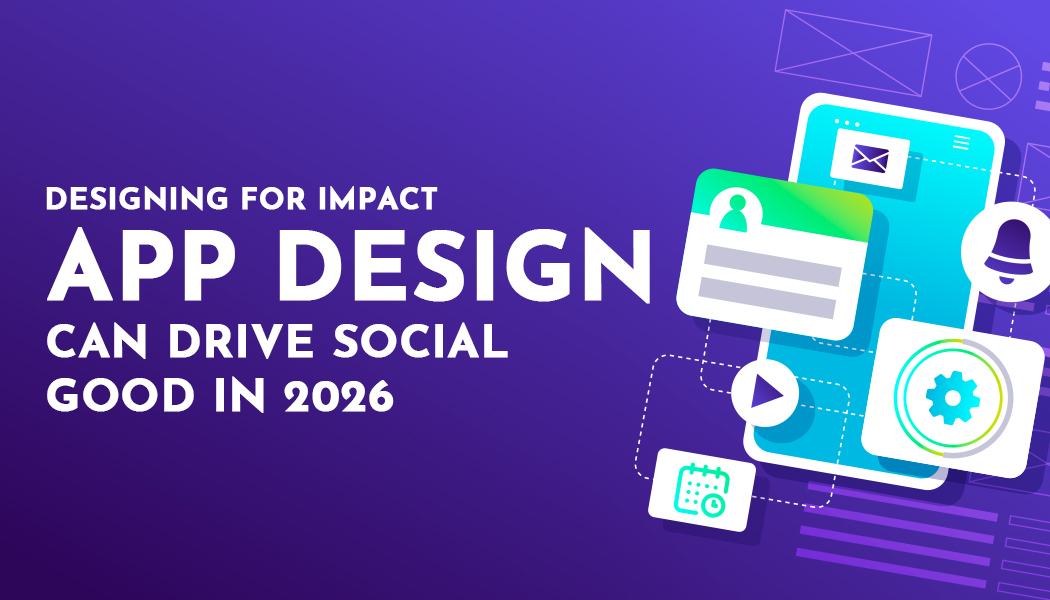
Designing for Impact: How App Design Can Drive Social Good in 2026
Welcome to the future of app design, where creativity meets purpose in 2026. As technology continues to shape our daily lives, app designers have a unique opportunity to address pressing social issues through innovative solutions. Let’s explore how award-worthy app designs can champion social good and make a tangible difference in communities worldwide.
The Power of Purpose-Driven Design
App design isn’t just about aesthetics or functionality—it’s about solving real-world problems with intention. In 2026, the most celebrated apps are those that prioritize user impact over mere downloads or revenue. Designers are increasingly tasked with creating platforms that tackle issues like mental health, financial literacy, and environmental sustainability, blending empathy with cutting-edge technology.
Consider how a well-designed app can transform lives by providing accessible resources to underserved populations. Whether it’s a tool for connecting rural communities to healthcare or an educational platform for low-income students, purpose-driven design starts with understanding the end user’s core needs. This approach not only garners awards but also builds trust and loyalty among users who feel seen and supported.
Balancing Innovation with Accessibility
One of the hallmarks of impactful app design is ensuring that innovation doesn’t exclude anyone. Accessibility features—like voice navigation for the visually impaired or simplified interfaces for the elderly—are no longer optional but essential in 2026. Designers who prioritize inclusive design are setting the standard for what it means to create apps that serve everyone, regardless of ability or background.
Moreover, accessibility goes beyond physical needs; it includes cultural and economic considerations as well. An app that offers multilingual support or free basic features can empower users who might otherwise be left behind in the digital age. By weaving these elements into their work, designers ensure their apps aren’t just visually stunning but also deeply functional for all.
Financial Empowerment Through App Interfaces
Another critical area where app design can drive social good is in financial education and empowerment. Many people struggle with managing money due to a lack of accessible tools or knowledge, and this is where thoughtful design can step in. Apps that simplify budgeting, savings, or even loan applications can provide a lifeline to those navigating financial uncertainty.
For instance, creating intuitive interfaces that break down complex financial concepts into digestible steps can be transformative for users. A key aspect of this is ensuring transparency and trust, so users feel confident in the tools they’re using. The topic of loans often comes up in these discussions as a critical component of financial planning, and apps that address this need with clarity can empower users to make informed decisions.
Designers can take inspiration from award-winning apps that use gamification to encourage savings or provide real-time financial advice. By focusing on user trust and education, these apps not only solve immediate problems but also foster long-term financial health. This is the kind of impact that resonates with award judges and users alike.
Leveraging Technology for Community Building
Technology has the power to connect people like never before, and app design plays a pivotal role in fostering community. In 2026, apps that build virtual spaces for support—whether for mental health, parenting, or professional networking—are gaining recognition for their social impact. A deeper exploration of how certain platforms compare in building meaningful connections can be found in this analysis of dating app dynamics, which highlights user engagement strategies.
Designers must focus on creating safe, welcoming environments where users feel comfortable sharing and collaborating. Features like moderated forums or AI-driven content filtering can prevent toxicity and ensure positive interactions. When an app becomes a hub for genuine connection, it doesn’t just win awards—it changes lives.
Beyond individual connections, apps can also support broader community initiatives, such as crowdfunding for local causes or organizing volunteer efforts. The best designs make participation seamless, with clear calls to action and intuitive navigation. This intersection of technology and community spirit is where designers can truly shine.
Sustainability as a Design Priority
As climate change remains a pressing global issue in 2026, app designers are stepping up to promote sustainability through their work. Apps that encourage eco-friendly habits—like tracking carbon footprints or promoting sustainable shopping—are earning accolades for their forward-thinking approach. These tools empower users to make greener choices without feeling overwhelmed by the complexity of environmental challenges.
Designing for sustainability also means considering the app’s own environmental impact. Optimizing code to reduce energy consumption or partnering with eco-conscious hosting services can set an app apart in the awards circuit. When users see that an app aligns with their values, they’re more likely to engage with it on a deeper level.
Additionally, designers can integrate educational content to raise awareness about sustainability issues within the app itself. A simple feature like daily eco-tips or a rewards system for green actions can inspire lasting change. This dual focus on user behavior and app ethics is a winning formula for social impact.
Privacy and Trust in App Design
In an era where data breaches are all too common, designing apps with privacy at the forefront is non-negotiable. Users in 2026 demand transparency about how their information is used, and award-winning apps are those that prioritize data security without sacrificing usability. A helpful resource on navigating privacy challenges in modern tech can be explored through this guide on internet privacy concerns, which sheds light on balancing innovation with user trust.
Trust is built through clear privacy policies, minimal data collection, and robust security features like end-to-end encryption. Designers must also consider how to communicate these safeguards effectively within the app’s interface, reassuring users at every step. When privacy is woven into the design process, it becomes a competitive edge rather than an afterthought.
Moreover, trust extends to how apps handle user feedback and address concerns. A responsive design team that iterates based on user input can turn a good app into a great one. This commitment to user-centric design is often what separates award contenders from the rest.
Conclusion: Designing for a Better Tomorrow
As we look ahead in 2026, the role of app design in driving social good is clearer than ever. By focusing on accessibility, financial empowerment, community building, sustainability, and privacy, designers can create apps that don’t just win awards but also change the world. Let this be your inspiration to design with purpose—because every pixel can make a difference.